
Exteriors Built to Last Through Seasons
Siding installation in Shelby, NC, and Blacksburg, SC for weather-worn materials, damaged exterior protection, and homes with deteriorating curb appeal
Damaged siding allows moisture to reach sheathing and framing, creating conditions for rot, insect activity, and interior water intrusion that spreads beyond the original failure point. Updated siding improves both exterior appearance and long-term durability by sealing the building envelope against wind-driven rain, temperature cycling, and UV exposure common throughout residential properties in the Greater Charlotte Metro Area. Rize Remodeling and Restoration installs and replaces siding while addressing underlying framing damage, wood rot, and sheathing deterioration that compromises structural integrity and energy efficiency.
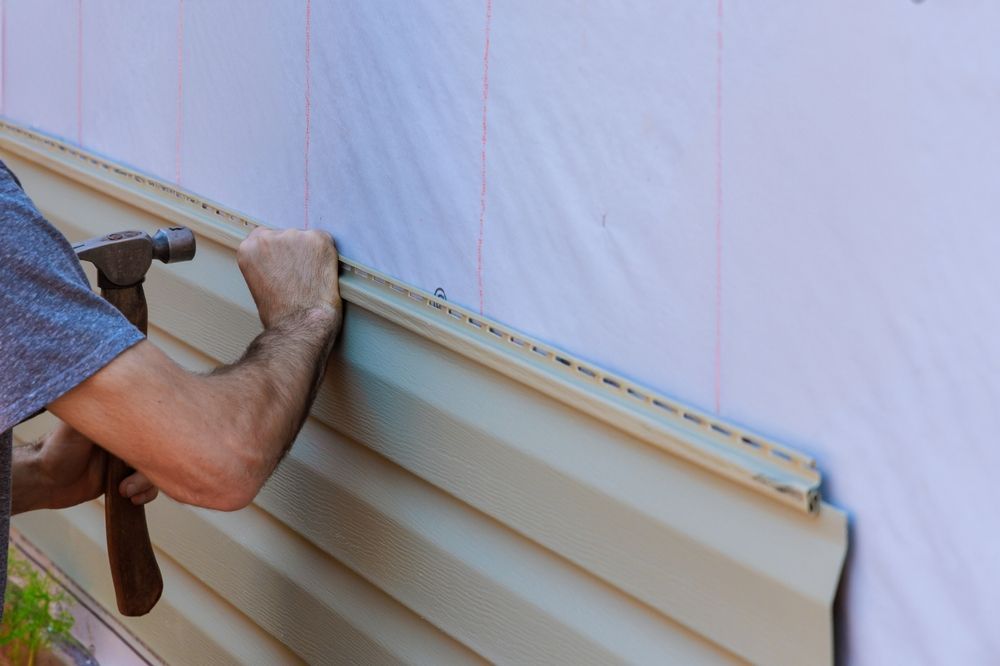
Installation work begins with removing existing siding to inspect sheathing for moisture damage, soft spots, or areas where previous water intrusion has rotted framing members. Any compromised wood is replaced with properly treated lumber before new weather-resistant barrier and siding materials are installed using manufacturer-specified fastening patterns and overlap details. Quality siding materials selected for long-lasting performance in changing weather conditions resist warping, fading, and moisture penetration while maintaining appearance without requiring frequent repainting or refinishing.
Request an exterior evaluation to identify siding damage and review material options suitable for your property in Shelby, NC, or Blacksburg, SC.
What Changes After Siding Replacement
Siding replacement eliminates gaps where wind and water enter wall cavities, reduces heating and cooling costs by improving insulation performance, and removes pathways that allow pests to access interior spaces. Proper installation includes sealing around windows and doors, flashing at roof and wall intersections, and ventilation provisions that allow moisture to escape from wall cavities without trapping condensation. Detailed installation practices prevent common failure points such as corner separations, loose boards near ground level, and fastener blow-through that occurs when materials are over-compressed during attachment.
After siding work is complete, you'll notice uniform exterior appearance without warped or discolored sections, elimination of drafts around windows and doors, and removal of moisture stains on interior walls caused by water intrusion. The home exterior sheds rain without allowing water to wick behind materials, resists wind without boards lifting or rattling, and maintains color consistency without fading to chalky or uneven tones. Framing remains dry, insulation performs as designed, and the building envelope functions as a continuous barrier rather than a collection of compromised sections.
Material selection depends on maintenance preferences, budget, and appearance goals. Vinyl siding offers low maintenance and consistent color but can crack in extreme cold or impact. Fiber cement provides superior durability and fire resistance but requires painting and weighs more, increasing installation complexity. Wood siding delivers natural appearance and historical accuracy but needs regular maintenance to prevent rot and insect damage. Each option is evaluated based on how the home is used, local weather exposure, and long-term performance expectations.
Questions Before Starting Your Project
Homeowners planning siding replacement often ask about material performance, installation requirements, and what happens when hidden damage is discovered.
What should I do if wood rot is found during siding removal?
Framing restoration and wood rot replacement are completed before new siding is installed to ensure the structure properly supports exterior materials and prevents recurring moisture damage.
How does siding affect energy efficiency beyond insulation alone?
Properly installed siding seals the building envelope, eliminates air leaks around windows and penetrations, and prevents moisture intrusion that reduces insulation performance.
Why do some siding installations fail within a few years?
Incorrect fastening techniques, missing weather-resistant barrier, inadequate flashing, or failure to address underlying moisture damage all contribute to premature siding failure.
How do I choose between vinyl, fiber cement, and wood siding?
Consider maintenance willingness, climate exposure, budget, and appearance preferences—vinyl requires least maintenance, fiber cement offers best durability, and wood provides traditional appearance with higher upkeep.
What does the installation process involve from start to finish?
Work includes removing old siding, inspecting and repairing framing, installing weather barrier and flashing, attaching new siding with proper fastening patterns, and sealing all penetrations and transitions.
Rize Remodeling and Restoration completes siding installation and exterior repair projects with attention to detailed installation practices and lasting craftsmanship. Arrange a consultation to discuss your exterior upgrade in Shelby, NC, or Blacksburg, SC, and receive a project estimate based on current conditions.