
Outdoor Structures Designed for Longevity
Custom deck building in Shelby, NC, and Blacksburg, SC for backyards lacking functional outdoor living space and properties with aging or unsafe deck structures
Properties without functional outdoor living areas limit how homeowners use their backyards for entertaining, relaxation, or enjoying seasonal weather changes common in Blacksburg, SC, Shelby, NC, and throughout the Greater Charlotte Metro Area. Rize Remodeling and Restoration builds custom decks using wood and composite materials selected based on maintenance preferences, budget considerations, and long-term durability goals. The construction process focuses on proper framing, structural integrity, and clean finishes that prevent premature deterioration from moisture, insect activity, or structural movement.
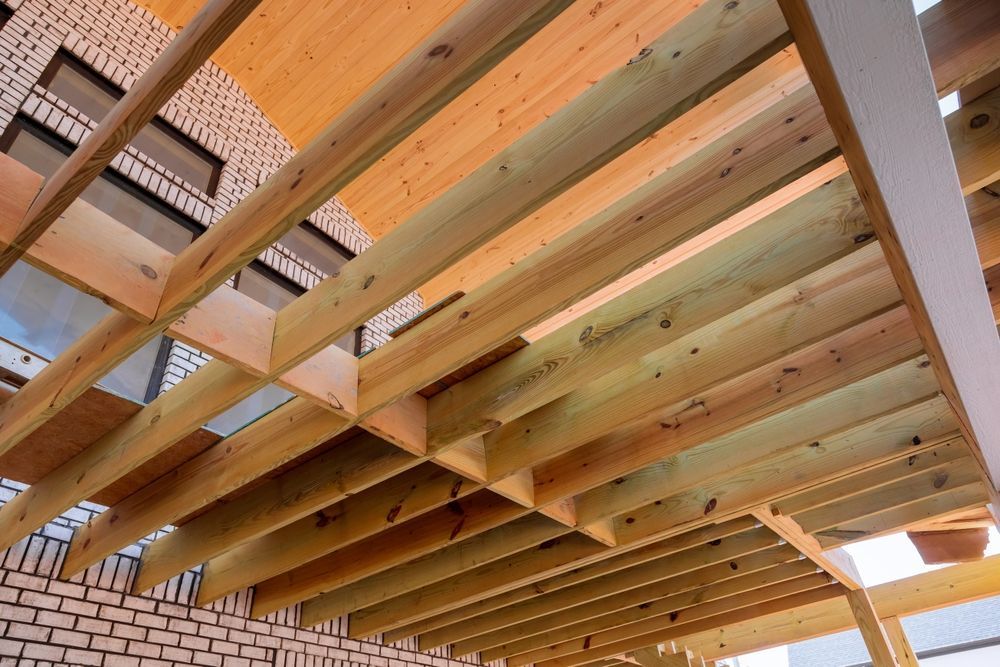
Deck construction begins with establishing a level foundation using concrete footings sized and spaced to support the structure without settling or shifting. Framing is built with pressure-treated lumber rated for ground contact and exterior exposure, joists are spaced according to decking material requirements, and all fasteners are corrosion-resistant to prevent rust staining and connection failure. Composite decking resists fading, splintering, and rot without requiring annual staining or sealing, while wood decking offers natural appearance with proper maintenance schedules.
Request a project consultation to review your backyard layout and discuss deck size, material options, and design features.
What Separates Lasting Decks from Failing Structures
Deck failures occur when framing is undersized for span distances, fasteners corrode and lose holding strength, or moisture penetrates connections between posts, beams, and joists. Proper construction involves calculating load requirements, selecting lumber dimensions that prevent bounce and flex, and using through-bolts and structural screws rather than nails for all critical connections. Ledger boards attaching decks to homes are flashed and sealed to prevent water intrusion that leads to rot in both the deck structure and the home's rim joist.
After construction is complete, you'll notice a deck that feels solid underfoot without bounce, railings that don't shift when leaned against, and surfaces that drain water without pooling. Composite materials maintain color consistency without fading to gray, and wood decking that's properly sealed resists warping and splitting. Stairs remain firmly attached without movement, and the structure handles furniture weight, gatherings, and seasonal temperature changes without developing squeaks or separating at connections.
Design choices include single-level platforms, multi-level configurations with separate zones for dining and lounging, built-in seating or planters, pergola coverings for shade, and stair placements that improve yard access. Railing styles range from traditional wood balusters to cable systems or glass panels depending on visibility preferences and maintenance considerations. Each project is customized based on property slope, door access points, and how the homeowner plans to use the outdoor space.
Common Questions About Deck Projects
Homeowners planning deck construction or replacement often ask about material performance, structural requirements, and maintenance expectations over time.
What determines whether wood or composite decking is the better choice?
Wood offers lower upfront cost and natural appearance but requires staining or sealing every few years, while composite costs more initially but eliminates ongoing maintenance and resists moisture damage.
How deep do footings need to be for deck structures in Shelby?
Footings must extend below the frost line and bear on undisturbed soil to prevent settling, typically reaching depths determined by local soil conditions and structural load.
Why do some decks develop bounce or feel unstable after a few years?
Undersized joists, improper joist spacing, corroded fasteners, or footings that have settled all contribute to structural movement and flex that worsens over time.
How does proper flashing prevent deck-related home damage?
Flashing installed between the ledger board and home exterior directs water away from the connection point, preventing rot in both the deck framing and the home's structural components.
What should I look for when evaluating deck construction quality?
Check for consistent joist spacing, through-bolted connections at beams and posts, corrosion-resistant fasteners throughout, and proper drainage slope on the deck surface.
Rize Remodeling and Restoration completes custom deck projects throughout the Greater Charlotte Metro Area with attention to structural integrity and long-term performance. Schedule a site visit to discuss your deck plans and receive a detailed project estimate.